
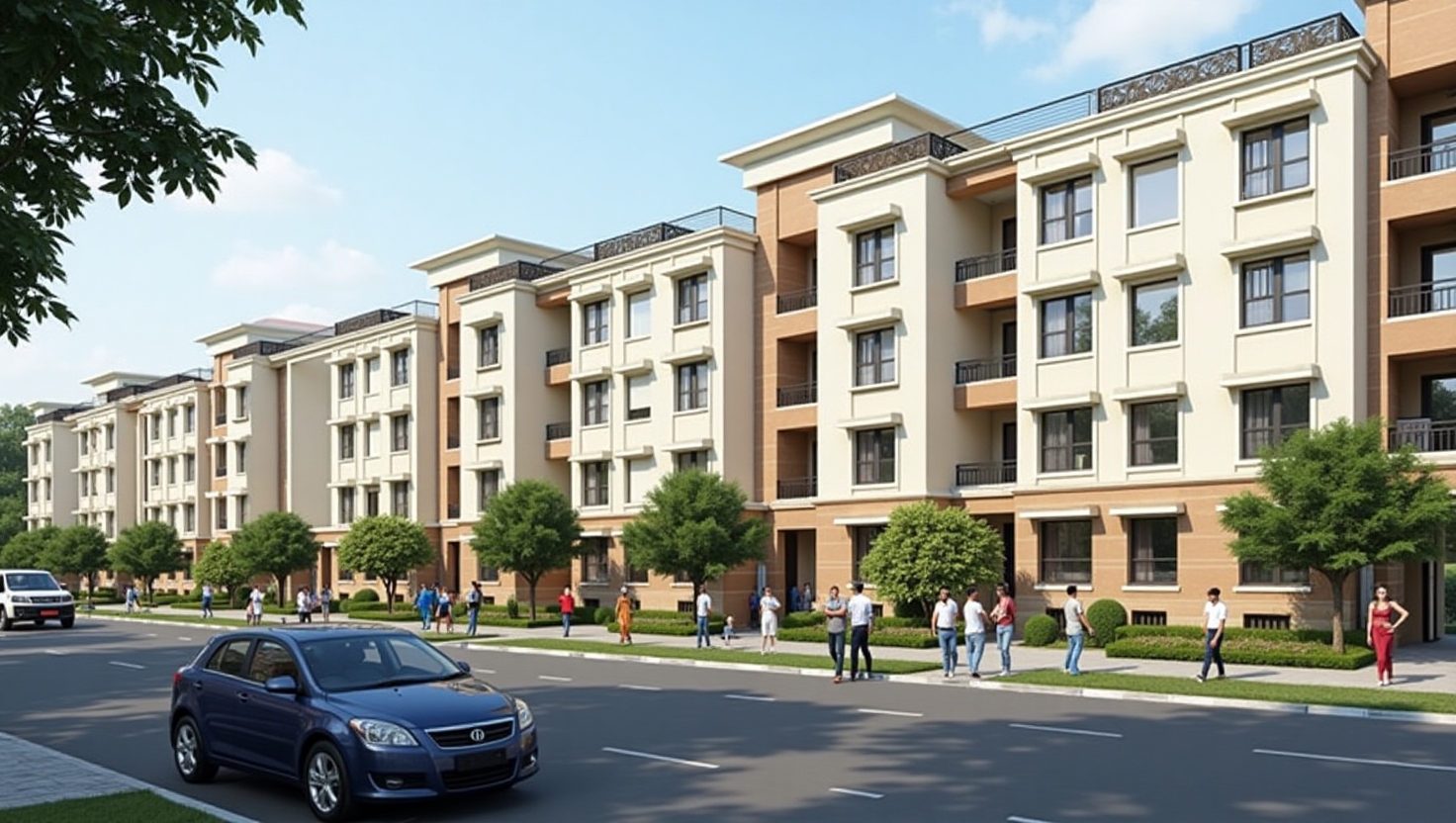
A common concern regarding multi-storied redevelopment is structural safety, particularly in a region that requires resilience against seismic activity. However, the reality is that a professionally executed redevelopment project creates a building that is significantly safer and more robust than the original, aging structure it replaces. Modern engineering prioritizes earthquake-resistant design from the ground up.
The Limitations of Older Building Stock
Many older Chennai apartments were constructed decades ago, under previous versions of building codes that had less stringent seismic provisions. Over time, materials can degrade, and structures can settle, making them more vulnerable to lateral forces exerted by an earthquake.
The Modern Standard: Adherence to IS 1893
Today, all new construction, including redevelopment projects, must comply with the National Building Code of India and, crucially, IS 1893 (Criteria for Earthquake Resistant Design of Structures). This code provides the definitive guidelines for designing buildings to withstand seismic forces specific to different zones in India, including Chennai.
Key Engineering Features for Seismic Safety
Professional redevelopment incorporates advanced engineering techniques to ensure structural integrity:
- Robust Structural Framing: The use of high-grade reinforced concrete (RCC) in beams, columns, and slabs creates a ductile frame that can absorb and dissipate seismic energy without sudden collapse.
- Shear Walls: These are solid, reinforced walls that are strategically integrated into the building’s design. They act as braces, providing immense resistance to lateral forces and preventing excessive swaying.
- Open-Ground Storey Considerations: Special design attention is given to buildings with open ground floors (for parking), ensuring the columns at this level are strengthened to handle increased stress.
- Foundation Strengthening: The new design includes a reinforced raft or pile foundation that evenly distributes the building’s load and anchors it securely to the ground.
- Quality Control: Reputable developers use certified materials and undergo rigorous quality checks during construction, ensuring the built structure matches the engineered design exactly.
Beyond the Frame: Non-Structural Safety
Earthquake safety also involves securing non-structural elements to prevent injury and damage:
- Parapet Security: Parapet walls are properly reinforced and anchored.
- Facade and Cladding: External cladding and facade elements are securely attached to the structure.
- Internal Fixtures: Heavy fixtures like overhead water tanks are seismically anchored.
A Proactive Investment in Long-Term Security
Choosing redevelopment is not just an upgrade in lifestyle; it is a proactive investment in your family’s long-term safety. You are replacing an aging, potentially vulnerable structure with a modern building engineered to the highest standards of seismic resilience.
When undertaken by a reputable firm like Sankar Infra Projects, redevelopment is a meticulous process guided by structural engineers who specialize in seismic design. The result is a home that offers unparalleled peace of mind, knowing that your family is protected by the best practices in modern engineering
