
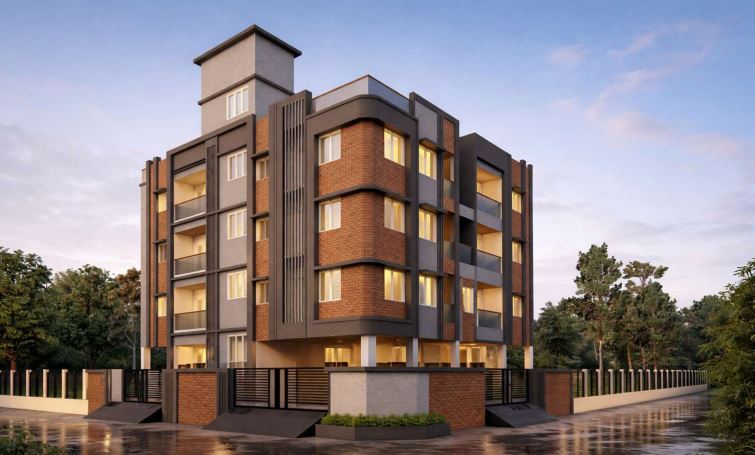
Many landowners in Chennai reach a point where an old individual house or an ageing plot becomes more of a burden than an asset. Maintenance costs rise, rental income stays flat, and neighbouring plots get redeveloped into modern apartments. At this stage, the question of joint venture vs outright sale Chennai becomes unavoidable. Should you sell the land for a lump sum today, or partner with a developer and earn a share of a much larger, future-ready asset? The right choice depends on your financial goals, risk appetite, and how long you can wait for returns.
Quick Answer
In most cases, a joint venture gives Chennai landowners higher overall returns than an outright sale, often 20 to 40 percent more value, because you retain ownership stake in the built property. However, outright sale offers immediate cash and zero construction risk, making it better suited for owners who need funds urgently or want to exit real estate entirely.
Main Body
An outright sale is straightforward. You transfer the land to a buyer or developer for an agreed price, receive payment, and exit the transaction. There is no further involvement in construction, approvals, or delays. This option suits owners who need immediate liquidity, live outside Chennai, or simply want to avoid the responsibilities of a long-term project.
A joint venture works differently. Instead of selling the land, you enter a development agreement with a builder. The landowner contributes the land, the developer brings construction expertise and funding, and both parties share the finished apartments or a percentage of sale proceeds, commonly in ratios such as 40:60 or 45:55 depending on land value, location, and FSI norms Chennai authorities permit.
The step-by-step JV process typically includes a title and structural due diligence, negotiation of the sharing ratio, drafting of the Joint Development Agreement and Power of Attorney, CMDA approval process for the building plan, construction, and finally handover with individual sale deeds for each owner’s share.
Key documents involved include the parent title deed, encumbrance certificate, patta, approved building plan, and the JDA itself. A structural audit Chennai engineers conduct beforehand also helps establish the existing building’s condition if reconstruction rather than fresh construction is involved.
The financial gap between the two options is significant. In an outright sale, you receive one fixed amount, regardless of how the market performs afterward. In a JV, your returns are tied to the final built value, so in a rising Chennai property market, your share can be worth considerably more by the time of handover.
Risk is the trade-off. Outright sale carries almost no execution risk once payment is received. Joint ventures carry construction timeline risk, dependency on the developer’s financial stability, and possible delays from redevelopment regulations or resident coordination challenges in dense urban layouts. Coastal climate impact on ageing structures can also add unexpected costs if not accounted for early.
A common mistake owners make is signing a JV agreement without verifying the developer’s track record, project financing, or past delivery timelines. Another is undervaluing the land during negotiation because of limited awareness of current FSI and zoning norms. [Internal Link: Structural Audit Services Chennai]
Sankar Infra Projects Approach
Sankar Infra Projects works with Chennai landowners to evaluate both paths honestly, without pushing one option purely for business gain. Our process begins with a transparent land and structural assessment, followed by a realistic comparison of projected JV returns versus current market sale value. We handle CMDA approval process coordination, structural audit Chennai requirements, and JDA structuring with legal clarity at every stage. Our engineering team follows safety-first construction practices, and we maintain resident-friendly execution methods to minimise disruption during redevelopment. We do not promise guaranteed approval timelines or inflated returns; instead, we walk owners through realistic scenarios so they can decide with full information. [Internal Link: Joint Development Agreement Services Chennai]
FAQ Section
Is joint venture development better than selling land outright in Chennai? It depends on your goals. JV typically yields higher long-term value, while outright sale offers immediate, risk-free cash.
How much more can a Chennai landowner earn from JV compared to direct sale? Landowners often earn 20 to 40 percent more through JV, though this varies with location, developer terms, and market conditions.
What are the risks of joint venture versus outright sale for Chennai landowners? JV carries construction and developer-dependency risk, while outright sale carries minimal risk but caps your upside once the deal closes.
Can I switch from JV to outright sale later? Once a JDA is signed, switching is legally complex, so the decision should be made after thorough due diligence upfront.
Conclusion
There is no universal right answer to joint venture vs outright sale Chennai; the better option depends on your financial timeline, risk tolerance, and long-term goals for the property. A JV can significantly increase your returns but requires patience and a trustworthy development partner. An outright sale offers speed and certainty. Sankar Infra Projects helps landowners across Chennai evaluate both paths with transparent numbers and honest guidance, not sales pressure. If you’re weighing your options, book a free consultation with our team to understand what your land could realistically be worth under each approach. [Internal Link: Book a Free Land Valuation Consultation]
